Zubeen Garg - A life of Creation and Compassion
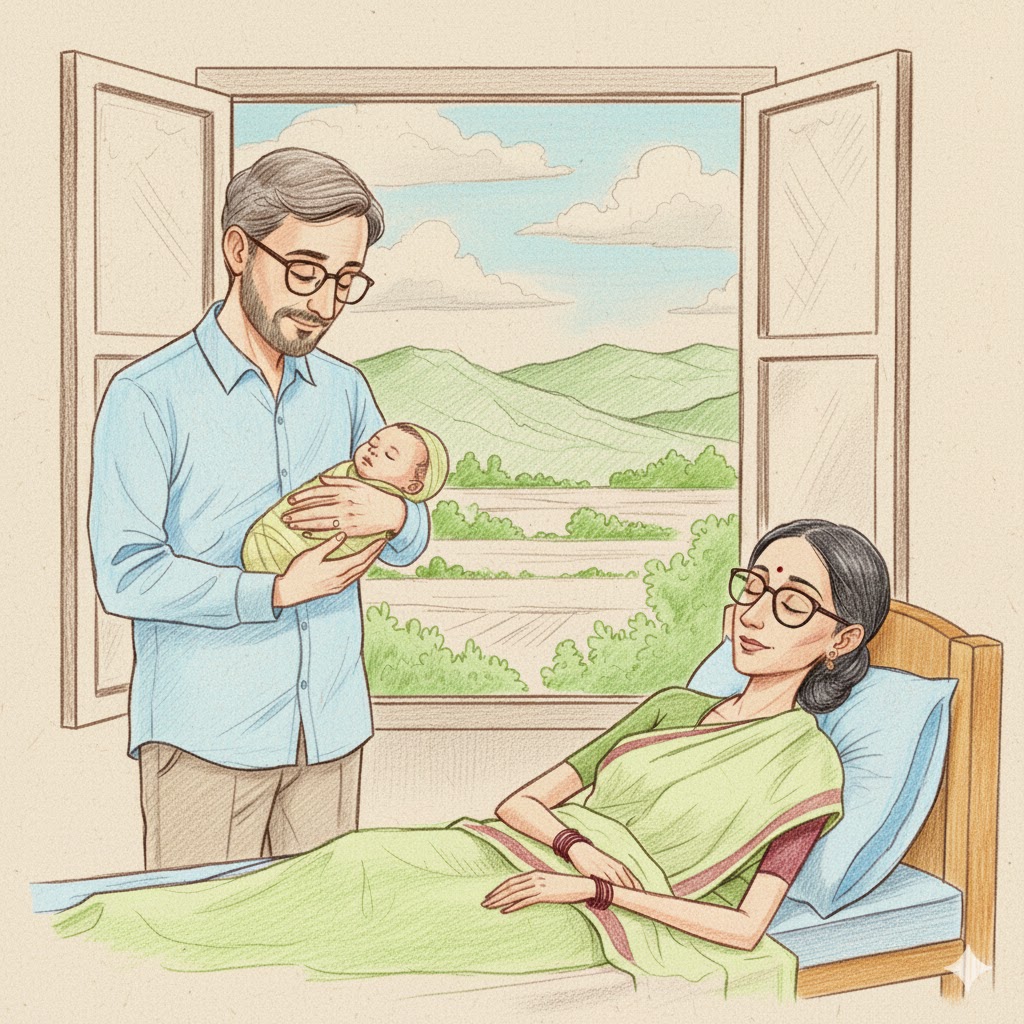
On 18 November 1972, a baby boy was born in Tura, Meghalaya, to Mohini Mohon Borthakur and Ily Borthakur. His father, an administrative officer in the Assam government and a passionate lover of literature and music, named him "Zubeen" after the legendary conductor Zubin Mehta. His mother, a gifted singer and actor, nurtured an artistic atmosphere at home. Yet, neither parent could have foreseen that their son would one day rise to become one of the greatest musical icons the region had ever known.
day.
He was later joined by his younger sister Jonkey, and a few years after that by the youngest, Palmee, completing their joyful and loving family..

Zubeen's childhood was marked by growing up with his two little cute sisters, Jonkey and Palmee. He shared a warm and lively bond with them, — a relationship filled with laughter, creativity, and innocent mischief. Jonkey showed interests in music and acting, while Palmee focused on Indian classical dancing.
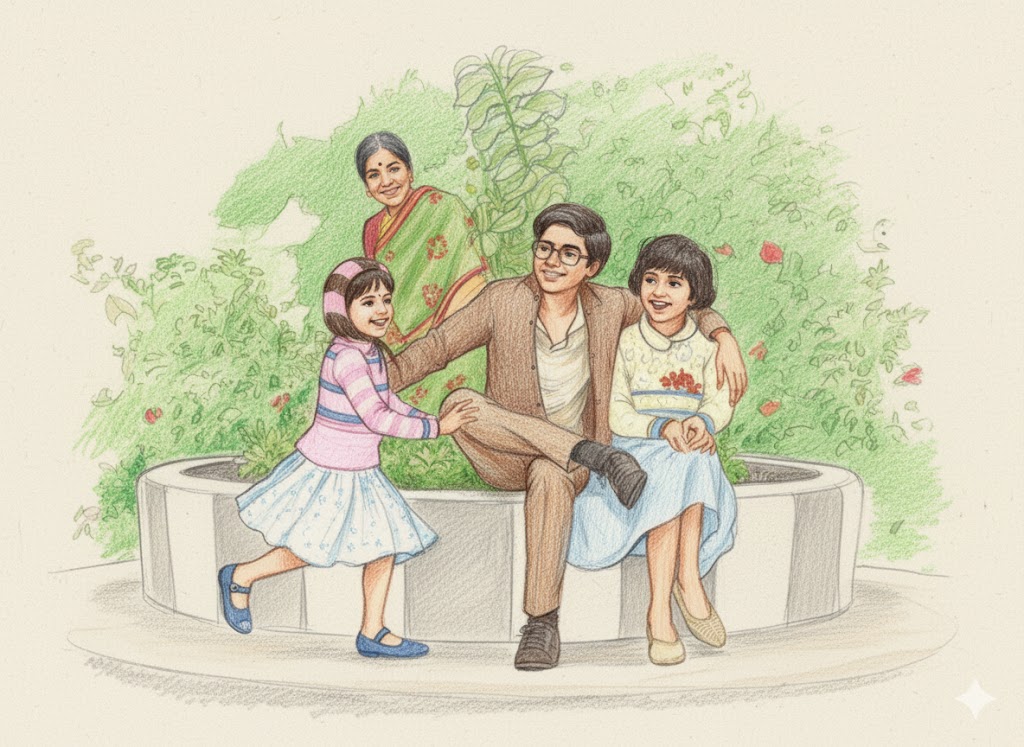
Parents - Father Mohini Mohon Borthakur and Mother Ily Borthakur
Birth Name - Zubeen Borthakur
Sisters - Jonkey and Palmee
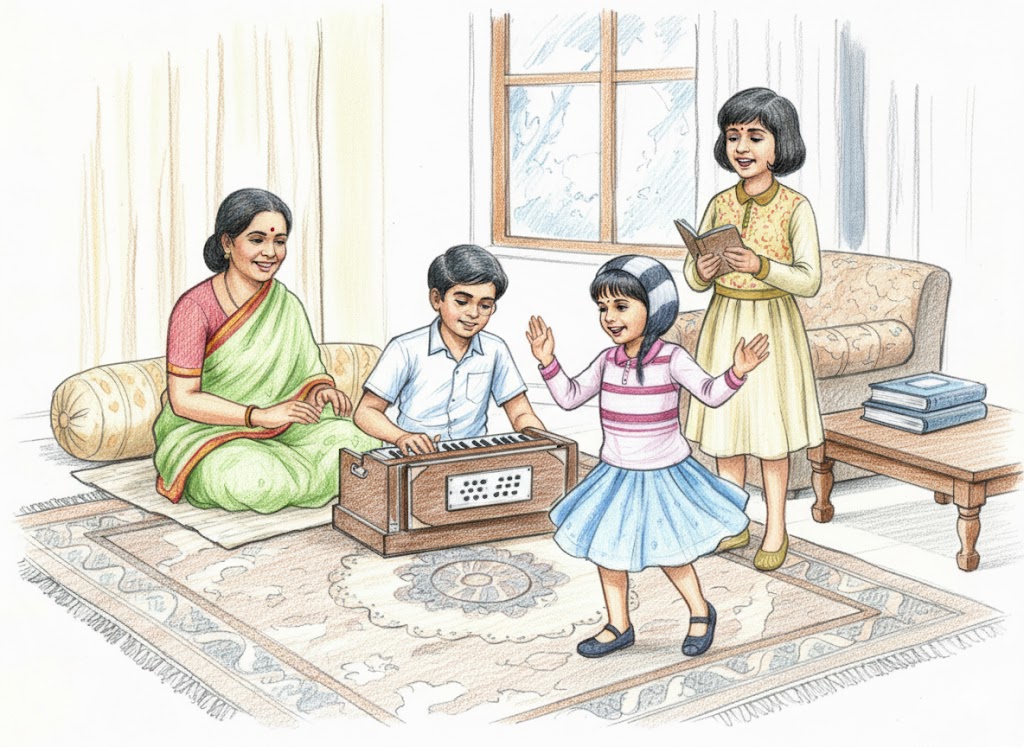
Zubeen Garg’s school life was as vibrant and expressive as his personality.
Zubeen Garg's education began with his primary schooling at Carmel
School, Jorhat. He later attended Karimganj High School and Bijni
Bandhab High School. He passed his matriculation exam (Class 10th) in
1989 from Tamulpur Higher Secondary School, Nalbari.
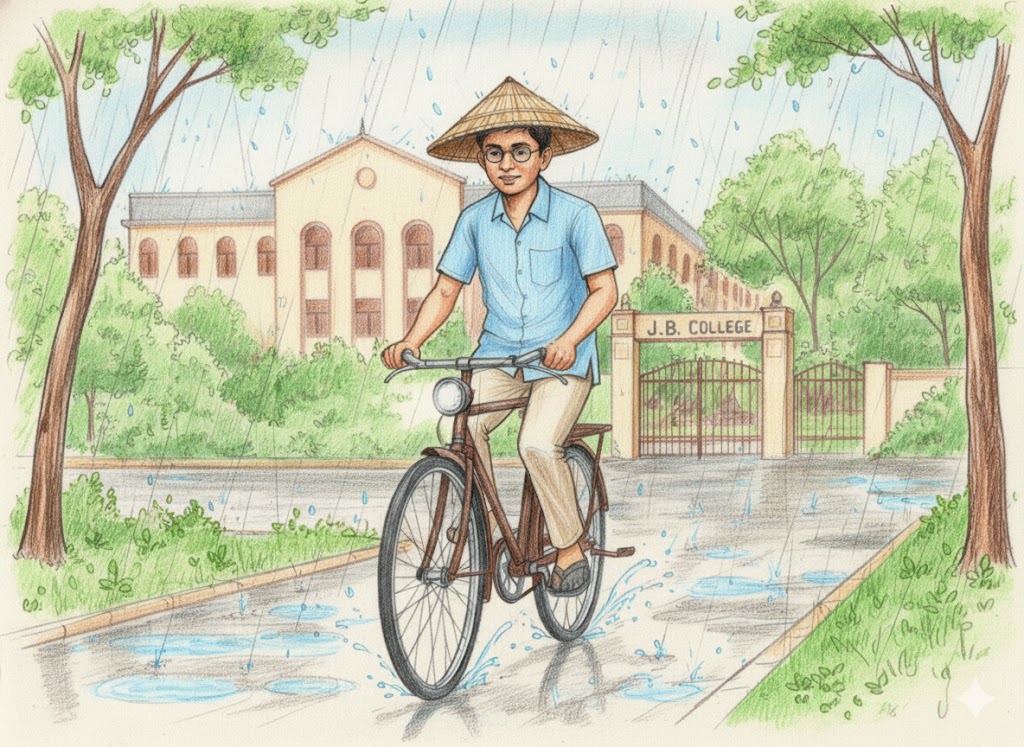
For his higher secondary education in science, he moved to J.B. College,
Jorhat. Following this, he enrolled at B. Borooah College in Guwahati
to pursue a Bachelor of Science degree. However, he ultimately dropped
out of college to fully concentrate on his passion and career in music.
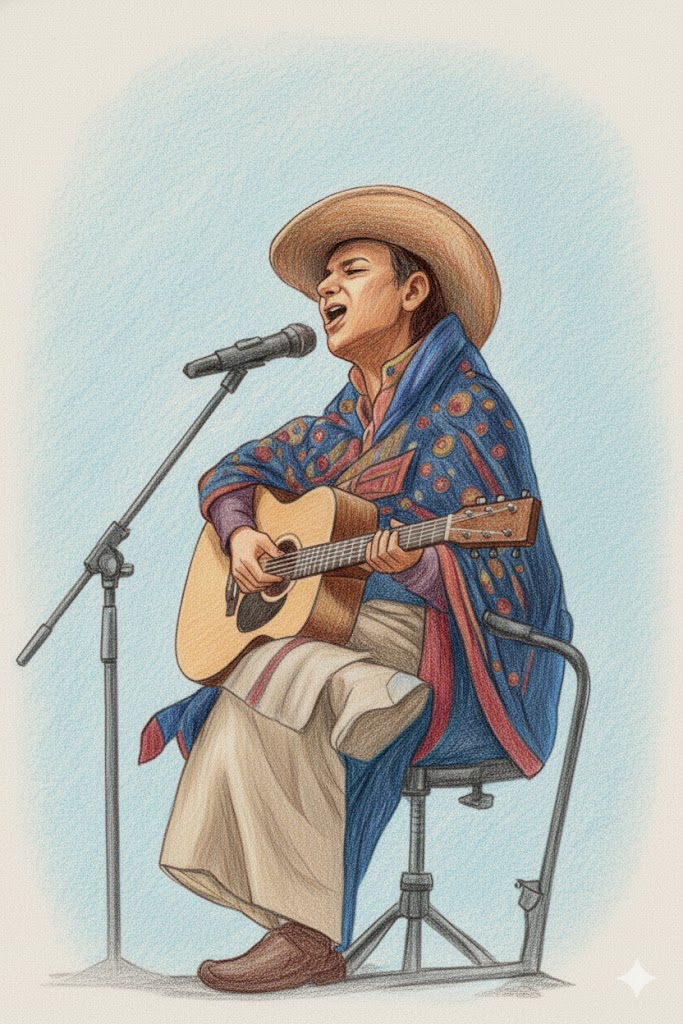
On the rainy days of Jorhat, he would ride his bicycle wearing a Jaapi — the traditional Assamese hat usually worn by farmers — a sight that never failed to draw smiles. And when winter settled in, instead of a jacket, Zubeen would take an old blanket, cut holes for his arms, fasten it with a belt, and wear it proudly as his makeshift winter coat.

The New Era
Anamika was quickly followed by other successful albums like Xapunor Xur (1992), Junaki Mon (1993), Maya (1994), and Asha (1995). Zubeen became a phenomenon among the youths of Assam. He started performing in popular cultural functions for Rangali Bihu.

These open-air cultural events — held
during the Assamese New Year festival — became the ground for his
stagecraft and connection with the masses. He was not just a singer at
these functions; he was a performer who could energize the entire crowd
with his presence. He often was accompanied by his sister Jonkey to
these functions.


In mid 90s, Zubeen moved to Mumbai in search of a career in Bollywood. Living modestly, he began his foray into the national music scene by working on albums and taking on jingle work. His debut Indipop solo album was Chandni Raat, followed by a few later.
He began singing for Bollywood films, including notable releases like Dil Se (1998), Doli Saja Ke Rakhna (1998), Fiza (2000), and Kaante (2002).
National Breakthrough
Zubeen achieved his biggest national success in 2006 with the song "Ya Ali" from the film Gangster. This chartbuster catapulted him to widespread fame and won him the Best Playback Singer award at the Global Indian Film Awards (GIFA) in 2006.

Other notable Bollywood tracks
include "Jaane Kya Chahe Mann Bawra" (Pyaar Ke Side Effects) and "Dil Tu
Hi Bataa" (Krrish 3).

The year 2000 marks Zubeen Garg's entry to the Assamese film Industry as an actor and director. His first feature film, Tumi Mur Mathu Mur (meaning "You Are Mine and Only Mine"), was a significant milestone that firmly established his role as a multifaceted creator in Assamese cinema, moving beyond just his musical prowess.
Released at the turn of the millennium, the film was part of a wave of successful commercial Assamese films that brought renewed energy to the regional industry, with Zubeen Garg as a central figure in this revitalization.

Zubeen Garg's meeting with his future wife, Garima Saikia, is a story intertwined with his early musical success in Assam and his move to Mumbai.
Garima, at the time, was studying in Mumbai and felt a deep sense of homesickness. She found great comfort and solace in Zubeen's music. This emotional connection to his music prompted her to write a letter to the singer. The connection initiated by Garima's letter blossomed into a personal relationship.
Zubeen Garg and Garima Saikia eventually married on February 4, 2002.
Other Languages
Zubeen Garg was a dominant force in the Bengali music industry, delivering numerous popular songs for Bengali films (Tollywood) and albums. His contribution began around 2003 and spanned numerous collaborations, particularly with music director Jeet Gannguli.
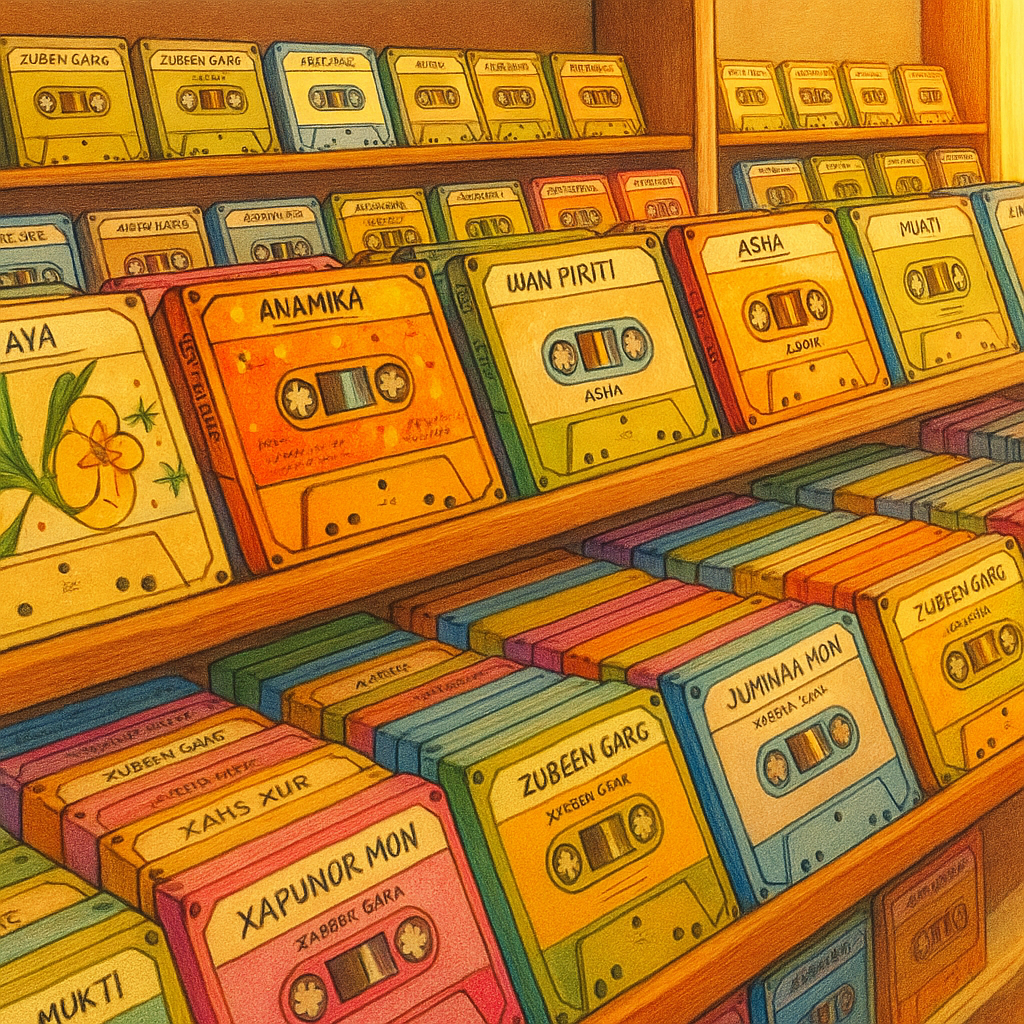
By the mid-2000s, Zubeen Garg had established himself as a multilingual singer-composer — one of the rare few from the Northeast to achieve national and cross-regional acclaim. he sang almost in all major Indian languages, including all south Indian languages. Zubeen’s deep connection with the Northeast inspired him to sing in several regional languages such as Nepali, Bodo, Karbi, Mizo, Nagamese etc.
Post 2005, Zubeen Garg's Assamese hits were increasingly tied to his growing involvement in Assamese cinema, where he composed, sang, acted, and directed. Iconic tracks that became anthems include the soulful title song from the film Mon Jaai (2008) and the high-energy, chart-topping numbers from his directorial blockbusters like Mission China (2017), and the emotionally resonant songs from Kanchanjangha (2019). This period saw him successfully blend his signature pop-rock sensibilities with traditional and patriotic themes, cementing his status not just as a singer, but as a central cultural and cinematic force in Assam.